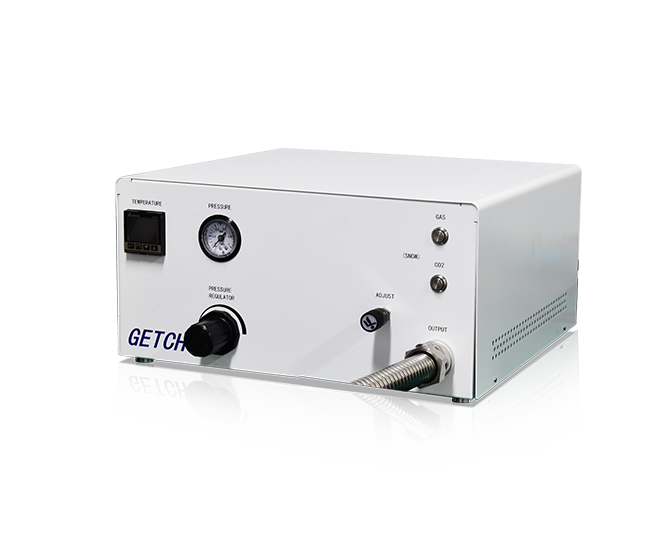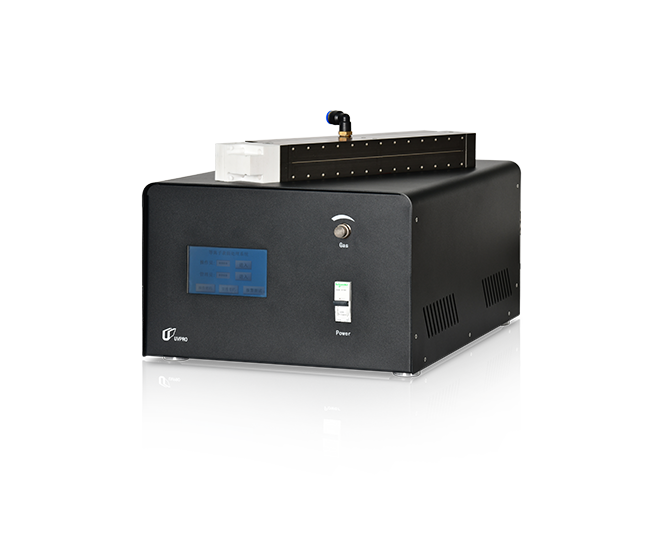
UV System
Industry applications
UV curing technology has become an essential process in the 3C electronics industry (computers, communications, and consumer electronics), offering a range of benefits such as faster production times, higher efficiency, and improved environmental sustainability. The ability to quickly and precisely cure coatings, adhesives, and other materials using ultraviolet light makes UV curing ideal for various applications within the industry.
Here are some key applications of UV curing in the 3C electronics sector:
 1. Coatings for Printed
Circuit Boards (PCBs)
1. Coatings for Printed
Circuit Boards (PCBs)
UV curing is widely used in the coating of printed circuit boards (PCBs), providing a protective layer that enhances durability and resistance to moisture, dust, and chemicals. UV-cured coatings are applied to improve the performance and longevity of the boards while also reducing the risk of electrical failure or corrosion.
2. Adhesives for
Assembly
UV-curable adhesives are used extensively in assembling 3C electronic devices. These adhesives bond components such as screens, connectors, and other delicate parts quickly and securely. The UV curing process enables rapid setting times, ensuring that components are firmly attached without compromising the quality of the assembly.
3. Screen Printing for
Displays
UV curing technology is used in the screen printing process for displays, such as those in smartphones, tablets, and computers. UV-curable inks are applied to print logos, symbols, and text onto the display surface. The UV curing process ensures the inks adhere well, providing long-lasting prints that are resistant to fading, scratching, and wear.
4. Touchscreen
Manufacturing
In the production of touchscreens, UV curing is employed to cure the adhesive layers that bond the glass or plastic panels to the underlying components. This ensures a strong, durable bond and prevents the adhesive from breaking down over time, which is essential for maintaining the touchscreen’s functionality and longevity.
5. Encapsulation of
Electronic Components
UV curing is used for encapsulating small electronic components, such as sensors, chips, and connectors, providing protection from environmental factors like moisture and dust. The cured encapsulant ensures that the components are securely sealed, offering enhanced reliability and performance in various operating conditions.
6. Optical Bonding
In optical bonding applications, UV curing is used to bond the display screen to the glass or touch layer. This process improves the optical clarity of the display, reduces glare, and enhances the overall user experience. The UV curing technology ensures that the adhesive is quickly and uniformly cured, providing a durable, high-quality bond.
7. Keypads and Membrane
Switches
UV curing is used in the production of keypads and membrane switches commonly found in consumer electronics such as remote controls, microwaves, and other electronic devices. UV-cured inks and coatings are used to print the keypad markings and provide a durable, scratch-resistant surface.
8. Solder Masking
In electronics manufacturing, UV curing is applied to solder masks used on PCBs. These masks protect the copper circuits during the soldering process, preventing solder bridges and other defects. UV curing ensures that the mask is quickly cured, providing an accurate and durable layer that protects the PCB during assembly.
In conclusion, UV curing technology plays a critical role in the 3C electronics industry by providing fast, reliable, and environmentally friendly solutions for various manufacturing processes. From coatings and adhesives to encapsulation and bonding, UV curing enhances the durability, efficiency, and quality of electronic devices, contributing to the continued growth and innovation in the sector.
Product Recommendations