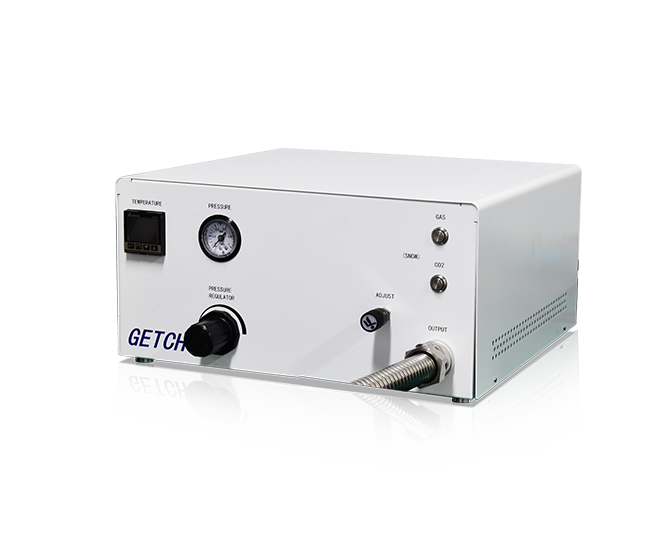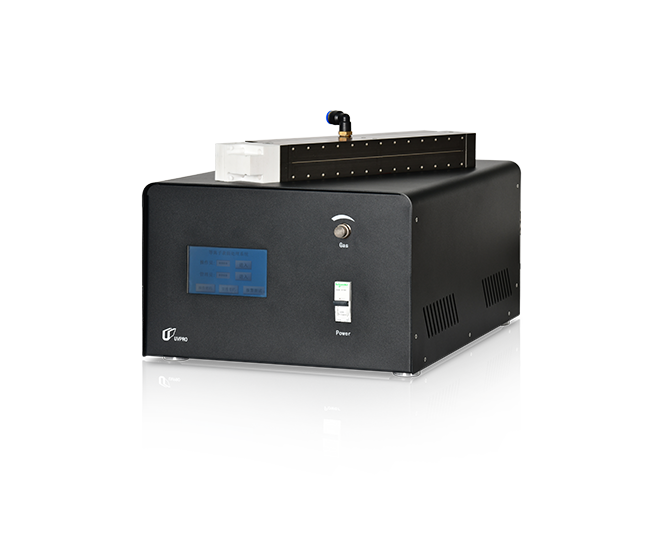
UV System
Industry applications
UV curing technology has become increasingly important in the production of lithium-ion batteries, particularly in the manufacturing of key components. This process uses ultraviolet (UV) light to cure certain materials quickly, offering advantages such as faster production times, lower energy consumption, and improved environmental sustainability.
Here are some of the main applications of UV curing in the lithium battery industry:
 1. Battery Sealants and Gaskets
UV curing is commonly used to cure sealants and gaskets in lithium-ion battery assembly. These materials help prevent leakage of electrolytes and gases, providing a secure seal for the battery. UV curing ensures that the sealants set quickly and maintain their durability, offering long-term protection against moisture and contaminants.
2. Electrode Coatings
In the production of lithium-ion batteries, UV curing is used for the application of electrode coatings, which play a vital role in enhancing battery performance. These coatings improve the conductivity and stability of the electrodes. The UV curing process helps to create a strong bond between the coating and the electrode surface, enhancing the overall performance of the battery.
3. Battery Labels and Markings
UV-curable inks are widely used for printing labels, markings, and logos on lithium-ion battery cells. These inks are durable and resistant to fading, even under exposure to high temperatures and UV light. The UV curing process ensures that the ink adheres properly to the surface, providing clear and long-lasting markings that are essential for battery identification and safety.
4. Copper and Aluminum Foil Coatings
Copper and aluminum foils are essential components in lithium-ion battery anodes and cathodes. UV curing is used to apply protective coatings to these foils, improving their resistance to corrosion and enhancing their overall durability. The quick curing process ensures that the foils maintain their integrity and performance under demanding conditions.
5. Assembly of Battery Packs
In the assembly of battery packs, UV curing is used to bond components like connectors and insulation layers. UV-curable adhesives ensure that the parts are securely fixed, providing reliable electrical conductivity and preventing mechanical failure. The fast curing times enable quicker assembly processes, improving overall manufacturing efficiency.
In conclusion, UV curing technology offers significant benefits in the lithium-ion battery industry. It provides fast and efficient curing of materials, ensuring high-quality, durable components for battery production. From sealants to coatings and adhesives, UV curing enhances the performance, safety, and reliability of lithium-ion batteries, supporting the continued growth of renewable energy and electric vehicle technologies.
Product Recommendations