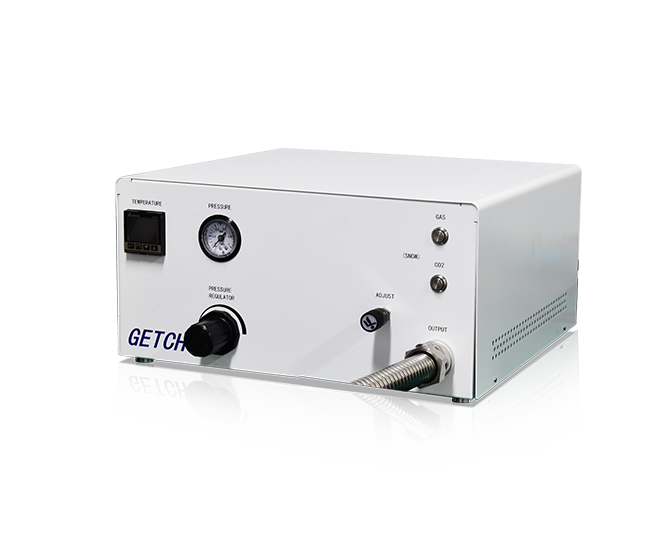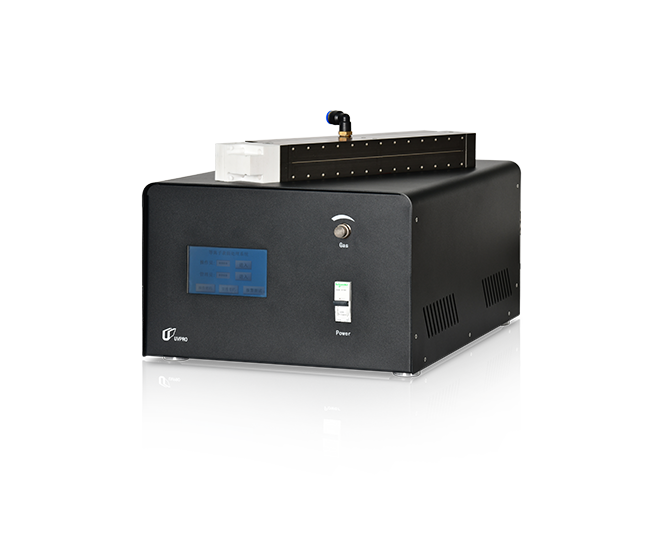
Plasma System
Industry applications
With the increasing standards in the automotive industry, along with advancements in intelligence and IoT, consumers are not only demanding higher comfort and safety in vehicles but also a significant need for plasma treatment technology that can be used for processing certain car parts. The appearance, interior, and intelligence of vehicles have become key pursuits for young users, with luxurious interiors being a must for modern cars. Plasma treatment technology can significantly enhance the optimization of details in various automotive processes.
 1. Automotive Interior Parts
Plasma surface treatment technology can precisely and quickly pre-treat automotive interior parts with complex
shapes, benefiting subsequent processes such as flocking and coating. Commonly treated interior parts include
dashboards, door panels, center consoles, and seat backs.
①Dashboard: The dashboard is one of the most
important interior components of a car. While a small portion is made of metal, most are made of plastic materials
such as PVC, ABS, TPO, TPU, and modified PP. After plasma treatment, the surface activity at the microscopic level
is enhanced, significantly improving the effectiveness of coating, painting, and bonding.
②Storage Box: In the electrostatic flocking process for automotive storage boxes, a base coating is typically applied before gluing to improve adhesive bonding. Using low-temperature plasma surface treatment to replace the base coating process before gluing not only activates the surface to increase adhesion but also reduces costs and is more environmentally friendly.
2. Automobile Bumpers
Among various plastic materials, PP/EPDM plastics are favored by automotive bumper manufacturers due to their low cost, ease of molding, and excellent flexibility. Traditional pre-treatment for bumper painting uses flame treatment to increase surface energy, but the high temperatures of 1100-2800°C can deform or discolor the material if not carefully controlled. While quick and simple, this method has poor aging resistance and safety risks. Low-temperature plasma technology not only solves surface treatment issues but is also safer and more reliable.
3. Automobile Lights
To ensure the long-term durability of car lights, it is essential to protect them and prevent moisture ingress. When bonding headlights and tail lights made from polypropylene (PP) and polycarbonate (PC), adhesives must offer excellent sealing and reliable adhesion. Using atmospheric pressure low-temperature plasma surface treatment for precise localized pre-treatment activates non-polar materials in all key areas, improving adhesive performance and ensuring reliable bonding and long-term sealing.
4. Automobile Sensors
Sensors are increasingly used in the automotive field, with higher performance requirements for various aspects, including the reliability of adhesion and sealing between the casing and internal electronic components. Low-temperature plasma surface treatment not only thoroughly removes organic materials from casings made of materials like PPS and LCP but also increases the surface energy of relevant materials, enhancing the bonding strength of epoxy resins, preventing bubble formation, and ensuring the reliability and longevity of the sensor.
5. Engine Oil Seals
As a crucial part of preventing engine oil leaks, the importance of engine crankshaft oil seals is increasingly recognized by manufacturers. PTFE is widely used for making oil seals due to its high-temperature resistance, corrosion resistance, non-stick properties, self-lubrication, excellent dielectric performance, and low friction coefficient. However, untreated PTFE has poor surface activity, making bonding with metals very difficult. Traditional methods, such as treating the surface with sodium naphthalene solution to improve adhesion, can cause pinholes and color discrepancies, altering PTFE's original properties. Low-temperature plasma treatment can activate the surface to enhance bonding while preserving the material's properties.
6. Ignition Coils
The outer casing and skeleton of automotive ignition coils are typically injection molded from PBT and PPO. Low-temperature plasma surface treatment can thoroughly remove surface contaminants and significantly increase surface activity, enhancing the bonding between the skeleton and epoxy resin. This prevents bubble formation and improves the welding strength of the wire and skeleton contact points after winding, ensuring the reliability and longevity of the ignition coil.
7. Automobile Bearings
Advanced engine technologies are placing increasingly stringent demands on bearing quality, especially on the coating quality of bearing surfaces. Low-temperature plasma surface treatment can completely remove organic materials from bearing surfaces and activate the surface to increase coating reliability.
8. Automobile Windshields
When printing ink or bonding objects to automotive windshields, chemical primer treatments are usually used to ensure necessary bonding strength. However, these primers contain volatile solvents, which may release over time during vehicle use. Atmospheric pressure low-temperature plasma can provide ultra-fine cleaning and activation of glass surfaces, improving adhesion and reliability while being more environmentally friendly.
9. Automobile Door and Window
Seals
Plasma bombardment increases the surface activity at the microscopic level, which significantly improves coating and bonding effectiveness, greatly enhancing the sealing and soundproofing performance of doors and windows.
10. Power Battery Packs
Product Recommendations